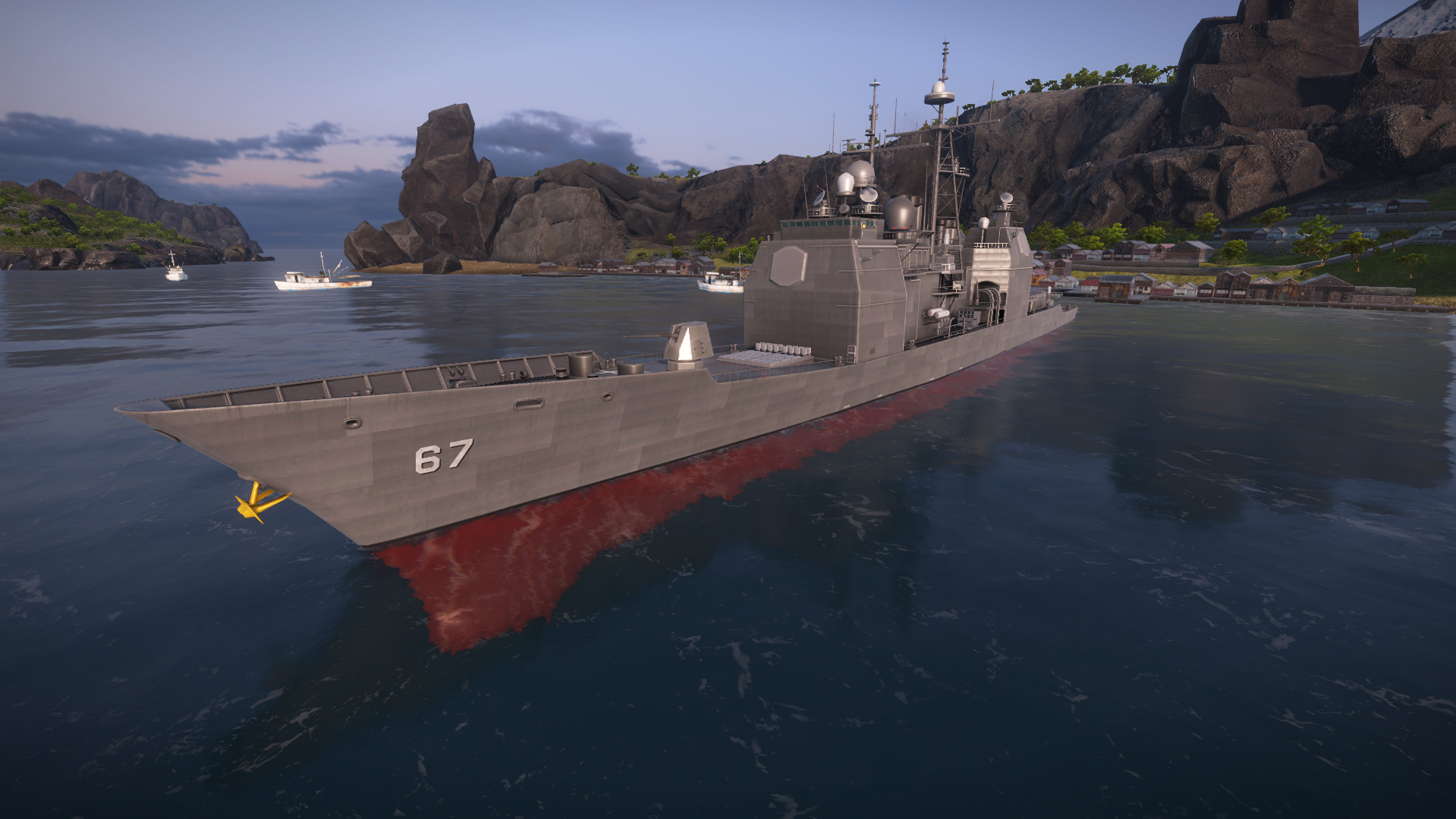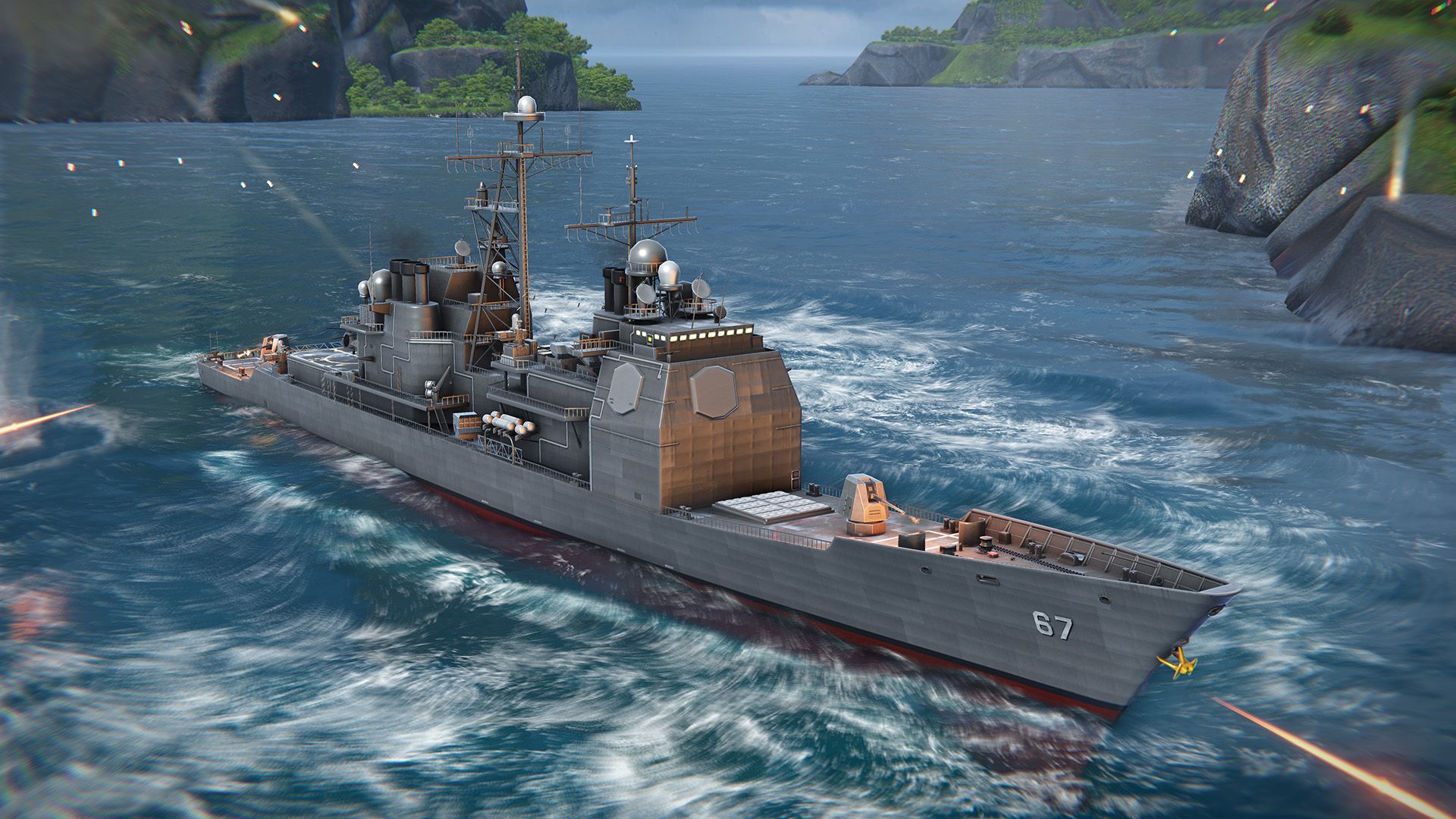
Decommissioning of USS Shiloh (CG-67)
Today, the guided-missile cruiser USS Shiloh (CG-67) is officially being decommissioned. We invite you to learn about the history of this ship not from facts found online, but firsthand—from someone who served on board!
The life of any naval vessel begins the same way: with its launch. But from there, their paths diverge dramatically. Some are lost in the heat of battle or quietly sent to the scrapyard, while others, having undergone dozens of upgrades, serve for years side by side with the fleet’s newest ships. Still others are assigned the modest but indispensable role of logistical “workhorses.”
To avoid getting bogged down in tedious terminology, let’s move right on to the story of one such ship. One of the crew members spoke candidly to us about his service aboard it.
Historical Background
The American Ticonderoga-class guided-missile cruiser USS Shiloh (CG-67) entered service in 1992 and remained one of the key assets of the U.S. Navy for more than three decades. Equipped with the Aegis missile defense system and Tomahawk cruise missiles, the ship saw action during the 2003 Iraq War, but its key mission during those years was its extensive participation in the humanitarian operation Unified Assistance. At the turn of 2004–2005, the cruiser played a vital role in the relief efforts following the devastating Indian Ocean tsunami, providing search-and-rescue operations, logistical coordination, and the delivery of aid to the affected regions of Southeast Asia. After that, the ship served as the 7th Fleet’s frontline “shield” for a full 17 years, based in Yokosuka, Japan, and ensuring security in the Indo-Pacific region.
Throughout its eventful service, the cruiser has carried out a wide range of missions, from search-and-rescue and peacekeeping operations to continuous patrols and international exercises in the Pacific Ocean. In late September 2026, after 34 years of service and having fully exhausted its operational life, the USS Shiloh is preparing for its official decommissioning from the active U.S. Navy fleet to conclude its history and transition to the status of a logistics support vessel.
Interview
As promised, let’s get to the most interesting part! We were lucky enough to get an interview and some personal photos from a sailor who has spent many years on this cruiser. And the best part is: he’s not just a member of our gaming community, but also our English-speaking moderator, whom you may know by the nickname ɴᴄᴛᴜʀɴᴀʟ!
CM (Community Manager): What do you remember about your very first day on board the Shiloh? What impressed or perhaps intimidated you the most back then?
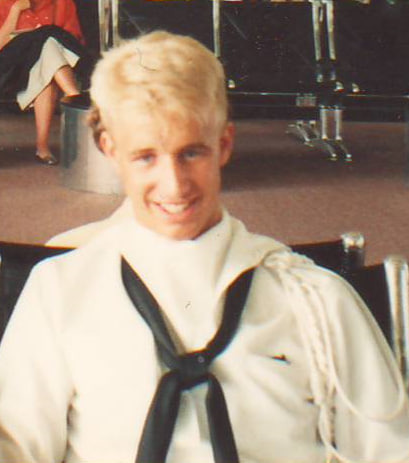
ɴᴄᴛᴜʀɴᴀʟ: I received orders for the USS Shiloh after I completed two years of technical training. She was set to be homeported in San Diego and was being built at Bath Iron Works in Bath, Maine. I arrived in Bath, Maine during the summer of 1991 about a year before she was commissioned. Since I was part of the original commissioning crew, I’m considered a “Plankowner”, which was a special event most don’t get to experience. Lake Earie (CG-70) and Arleigh Burke (DDG-51) were also under construction at Bath Iron Works. Things were as chaotic as you can imagine. Sizable working crews were all over the ship like ants and we were tasked with learning the equipment on the systems we trained to operate and take part in “light off” and validation exercises of all systems on board. We also spent considerable time learning about all aspects of the ship for Damage Control qualifications (required for everyone stationed on a ship). If the ship is damaged or catches fire, everyone is part of the firefighting and repair teams.
My initial experiences were obviously excitement. There was so much to learn and see, especially during the final year of construction. All new ships undergo sea trials to certify the vessel of combat readiness, which means we had the opportunity to test every weapon system on the ship. I was part of the division responsible for maintenance and fire control of the 5-inch gun system. We performed numerous gun fire exercises over the years.
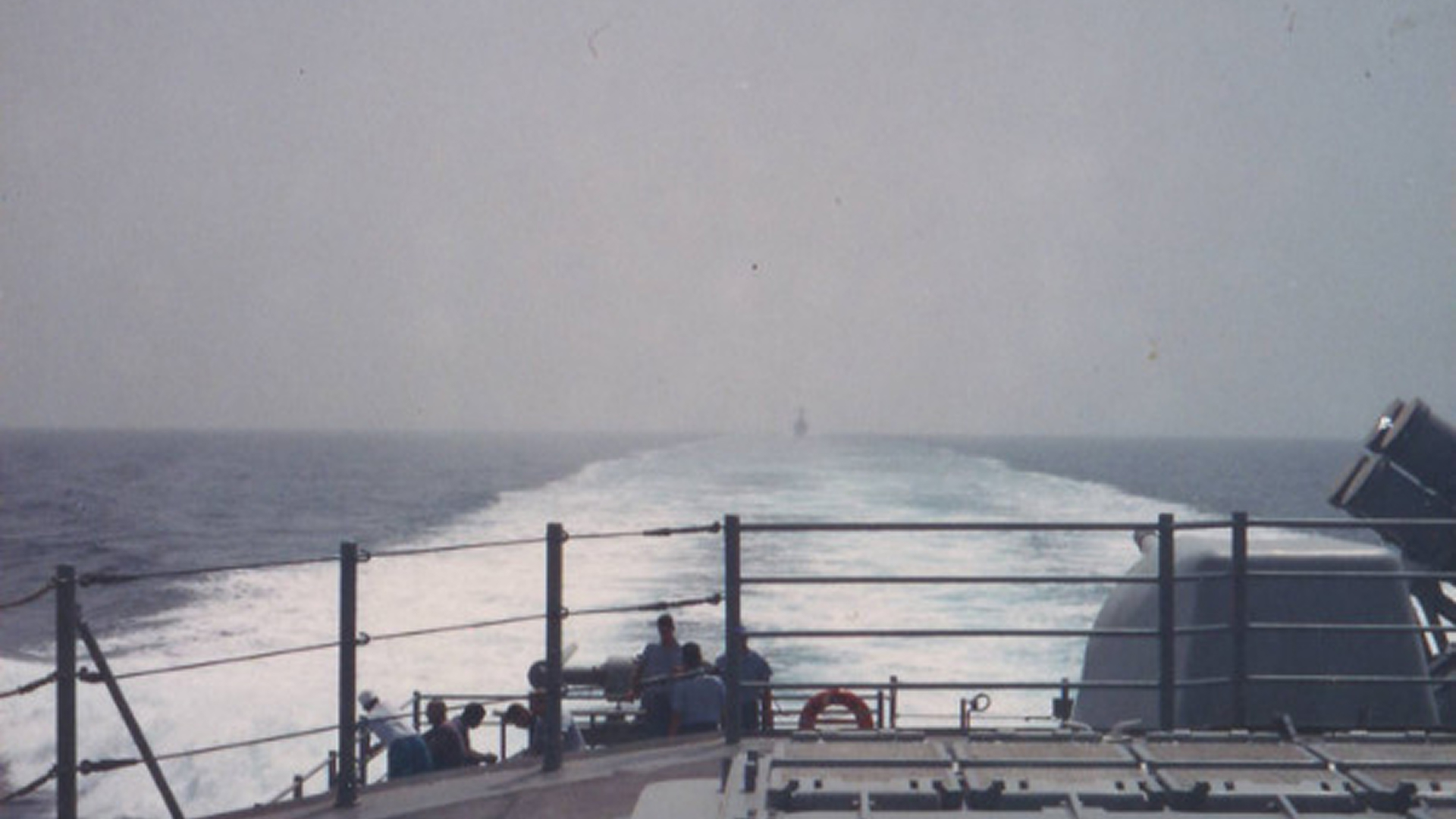
CM: They say every ship has its own unique "character" and atmosphere. How would you describe the character of this cruiser?
ɴᴄᴛᴜʀɴᴀʟ: The ships motto was “Make Excellence a Tradition”, and we lived it. Everyone was excited to be the best. My shipmates were family for four years, and I’m still in touch with many of them over 30 years later. It was hard but rewarding work overall.
_______________________________________________________________________________________________________________________
CM: Ticonderoga-class cruisers are massive ships with incredible firepower. Did you feel that immense power in your daily routine or is it something you quickly got used to?
ɴᴄᴛᴜʀɴᴀʟ: As mentioned previously, we were in a unique position to be able to test everything. Outside of sea trials, we never fired weapons in a combat scenario other than a “shot across the bow” one time. In hindsight I’m grateful for that. Walking into the Combat Information Center every day was like playing a part in a movie. There was never an instance when it wasn’t impressive. Long hours at a radar or gun console were boring for sure, but it was seriously impressive.
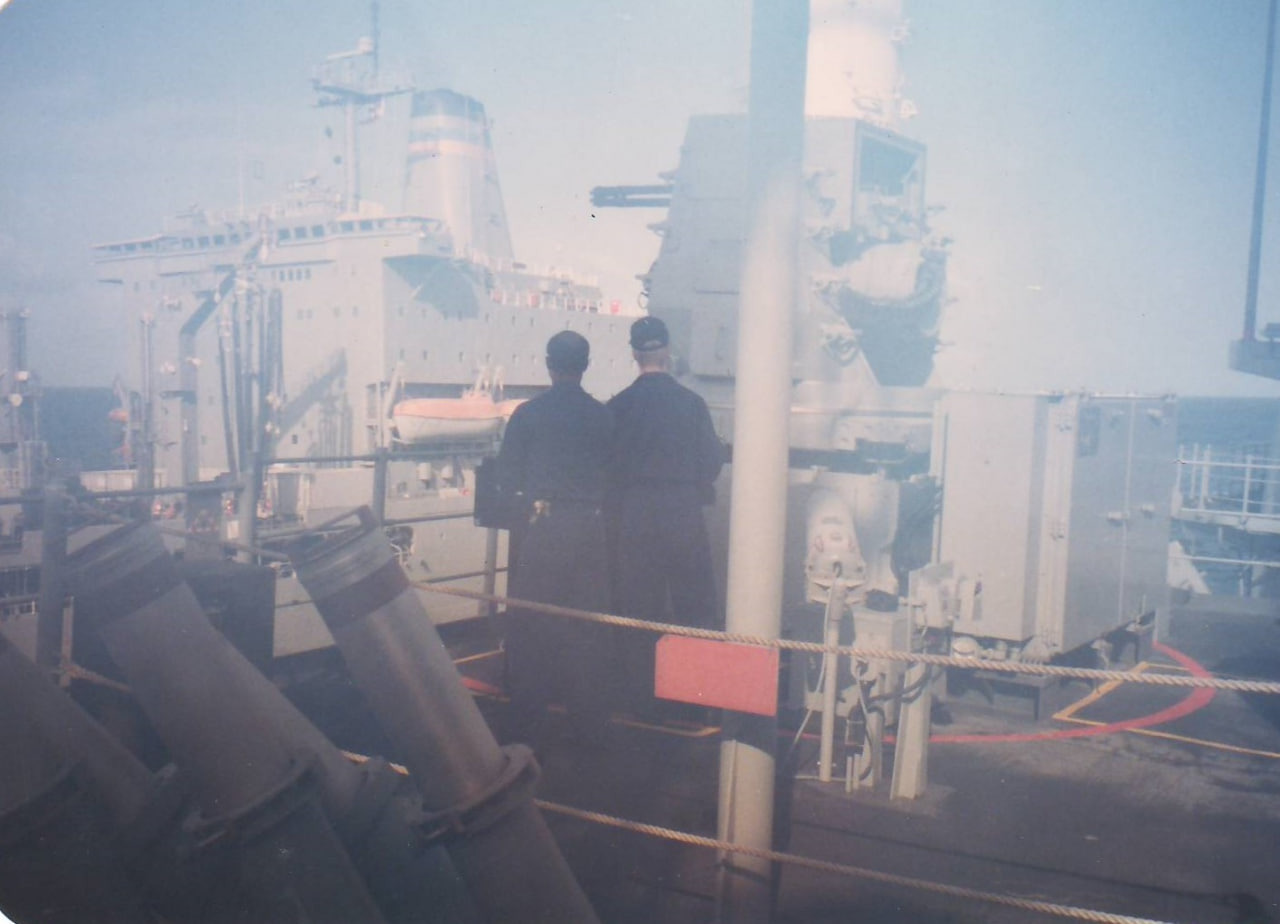
CM: Сould you share the most tense or challenging moment during your service (for example, a severe storm or a difficult deployment task)? How did the crew come together during that time?
ɴᴄᴛᴜʀɴᴀʟ: Being on deployment in the Middle East had some challenging long days. Many divisions worked 4 by 4 shifts (4 hours on, 4 hours off) so you stayed tired if you were in that rotation. My division did 12 and 12, and I volunteered for the night shift in true “nocturnal” fashion.
The biggest storm we encountered was Hurricane Andrew, a category 5 storm out of the Atlanta. It was the most destructive hurricane to hit Florida for 25 years until Hurricane Irma. We stopped in Ft Lauderdale around 5-6 weeks after commissioning and had to set sail so as to not be in port when it hit. It really cemented the saying “the calm before the storm” because it was incredibly peaceful prior to the storm hitting.
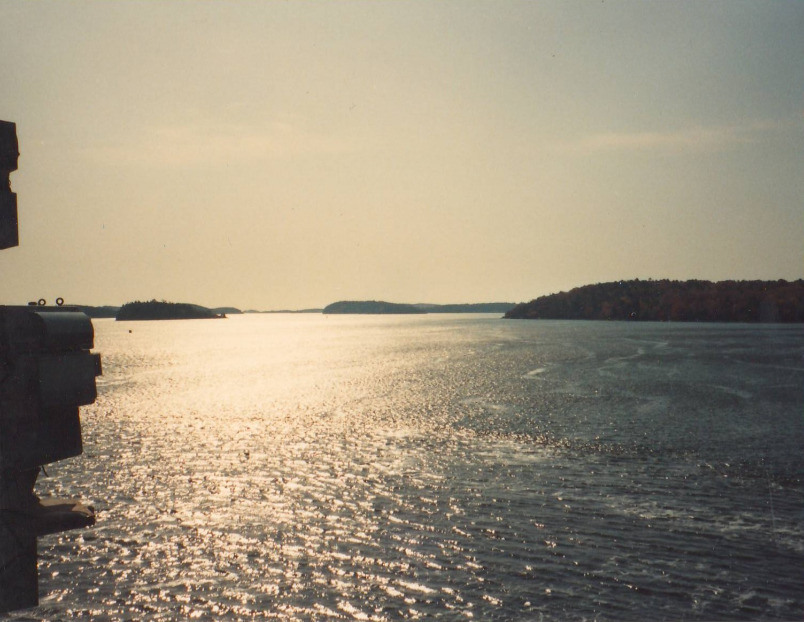
Interestingly we spotted 4 Cubans in a small boat when we were heading toward the Panama Canal. There’s no way they would have survived the impending storm. I don’t recall how far away from the path of the hurricane we were, but it was the worst conditions we encountered during my four years aboard. I recall watching a 50-60 ft boat from the mast mounted camera struggling through the storm. It completely disappeared in the giant swells. We made it to calmer waters hours later. Many of the crew were sick and the old-timers were laughing about it. It did inspire confidence regarding what the ship could handle.
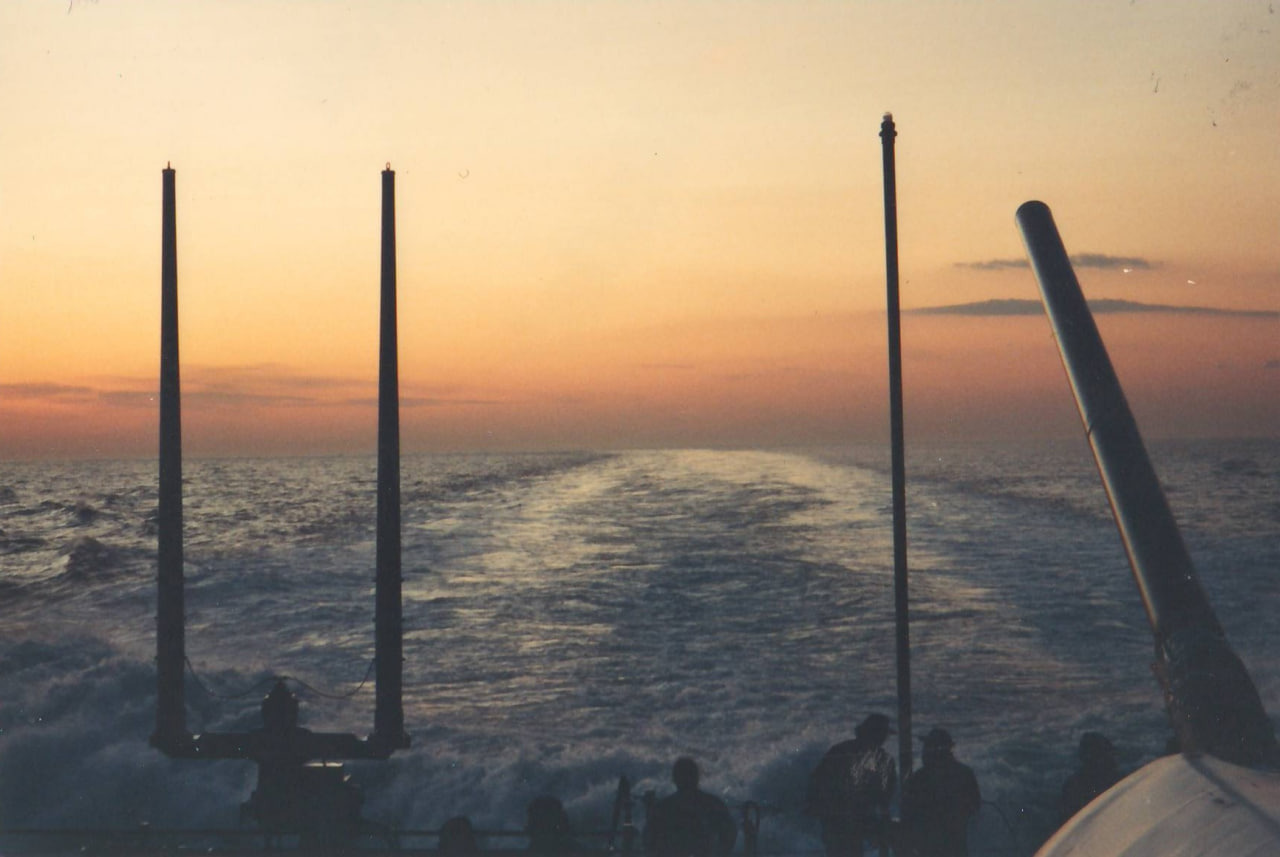
CM: On a lighter note, was there any unique tradition, inside joke, or ritual on board that only those who served on the Shiloh would understand?
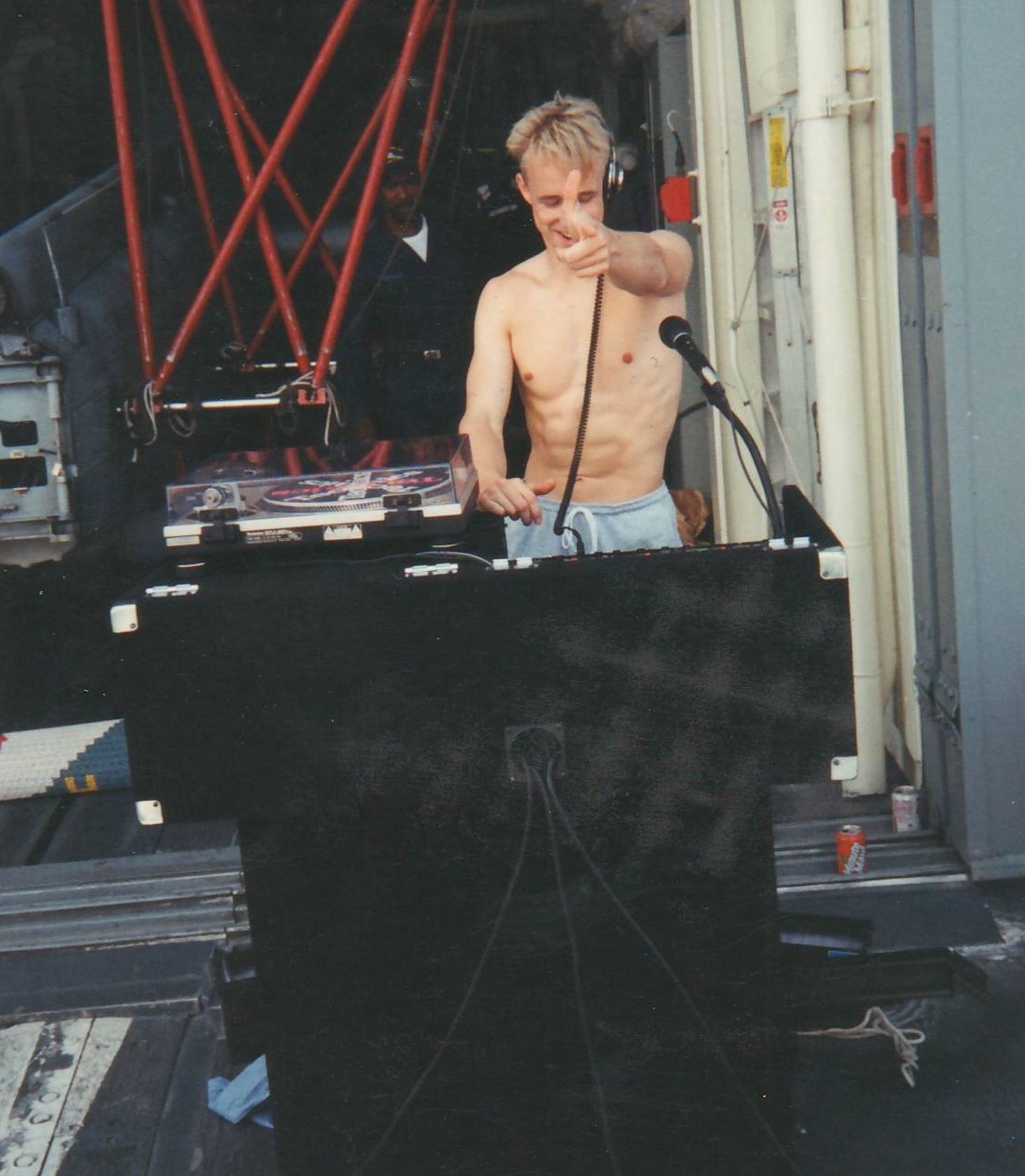
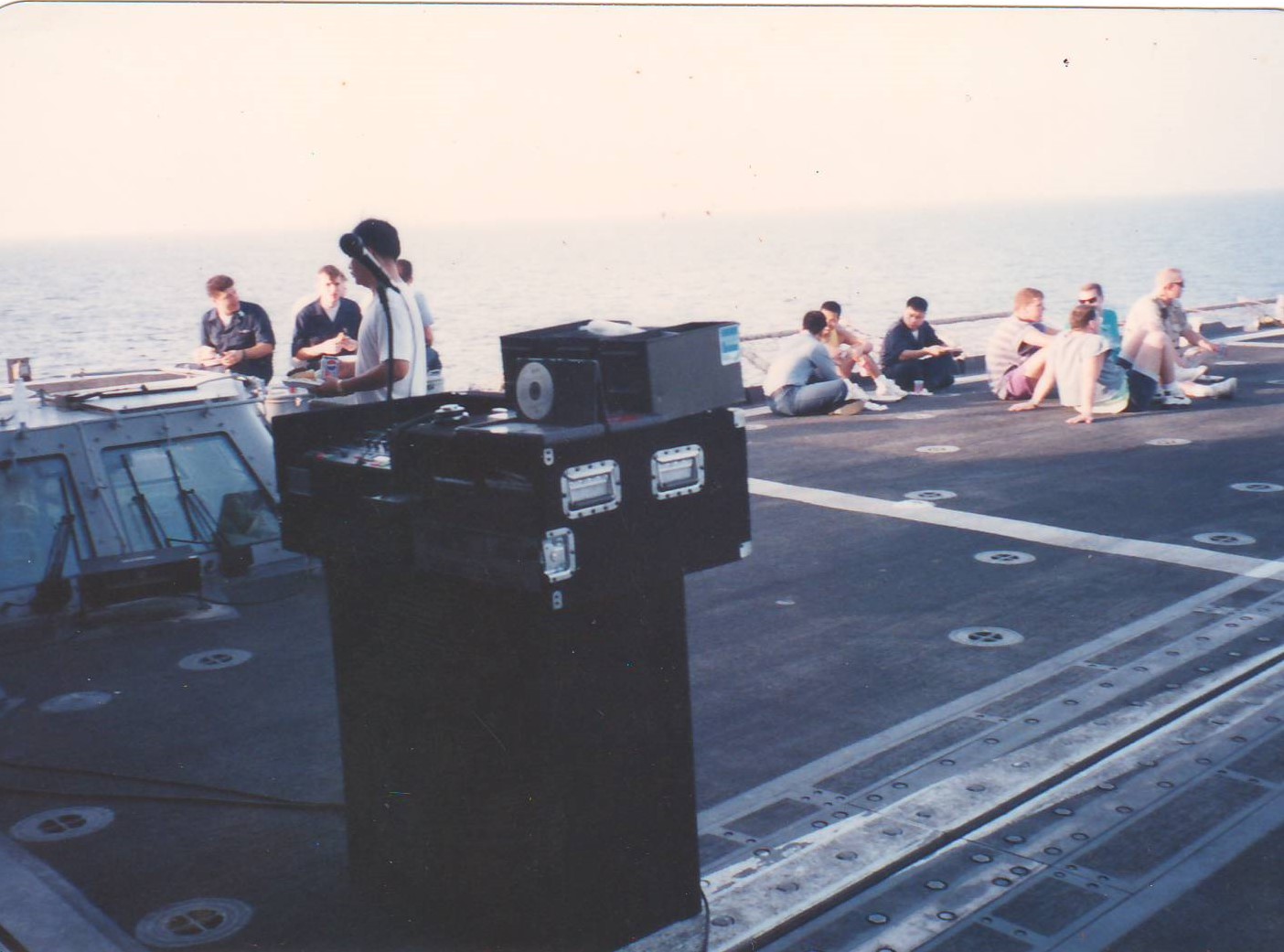
ɴᴄᴛᴜʀɴᴀʟ: I started DJ’ing in 1993 when we arrived back in San Diego. When we were going to be underway for an extended period, I’d bring my gear on board. After underway replenishments it was customary to play a “break-away song” on the ships PA. I would set my gear up and play music during the entire UNREP (30-45 mins) while we were loading fuel and sometimes entire pallets. Sometimes we’d have weekend cook-outs and I’d set up on the flight deck, and when we were in port in some countries that didn’t have much going on, I’d set up on the pier and play music and sell beer that we brought with us. Later on they brought me radio messages with song requests.
_______________________________________________________________________________________________________________________
CM: What was your favorite spot on the cruiser? Where would you go to grab a coffee or just catch your breath after a watch?
ɴᴄᴛᴜʀɴᴀʟ: Our radar room was restricted access and always very chill. Outside I always enjoyed hanging out on the fan tail. We also had an AV room and I’d play movies on the ships CCTV system.
CM: With the USS Shiloh wrapping up its service, what does a sailor feel when they learn that the ship that was once their home is being retired?
ɴᴄᴛᴜʀɴᴀʟ: Bittersweet. So many fond memories from my youth while serving aboard and getting to see the world. It’s a sharp reminder of how fast time passes. The memories don’t seem like they were 31 years ago. I learned so much about life and the world and it forever changed who I was. Time marches on so make the most of it. It also taught me the value of friendship.
CM: If you had the chance to step aboard for just 10 minutes right now, right before she is decommissioned, where would you go first and why?
ɴᴄᴛᴜʀɴᴀʟ: Well fortunately they will allow us to see it one last time. I want to see the rack I slept in, the radar space, the mess hall, and the bridge. I used to run laps on the deck when we were underway (my knees are paying for that now). I’m beyond excited to see her again!
_______________________________________________________________________________________________________________________
CM: If you were asked to describe the legacy of the USS Shiloh for the Navy in just one sentence, what would you say?
ɴᴄᴛᴜʀɴᴀʟ: The USS Shiloh upheld the valor of past sailors through her own courageous service, leaving a legacy for future generations of sailors to imitate and follow.
Conclusion
We would like to express our deepest gratitude to ɴᴄᴛᴜʀɴᴀʟ for his candor, his time, and the opportunity to experience the living history of the fleet! In our view, personal stories like these offer a completely different perspective on warships, making their history more relatable and understandable to each of us.
And although in reality the USS Shiloh is heading to port for a well-deserved retirement, its service continues in the boundless oceans of Modern Warships! In our game, this cruiser will engage in fierce duels with the world’s finest warships time and time again and will forever retain its place in the fleet.